Like just about everybody else this weekend, I’m watching the TV adaptation of Fallout. I’m actually having fun with it, and there’s rather a lot about it to love, from its characters and sense of place to the way in which it incorporates the sport’s mechanics and setting right into a non-interactive format. It’s a really strong present that has the potential to be nice over time, one thing Amazon is reportedly already giving it with a season two renewal.
Only one small downside, or no less than one which isn’t actually the fault of present: this ought to be a weekly sequence. In contrast to with its different hit exhibits like The Boys or Invincible, Amazon elected to place out all eight episodes in a single go, for causes that aren’t solely clear. It’s not quick sufficient to be billed as a miniseries occasion, and its scope is so huge that every episode runs roughly an hour or just a little extra. From its opening moments, Fallout appears like a status sequence, which are inclined to thrive with a weekly schedule that makes you place the work in to look at it.
Streamers are content material to launch their present howver they like, and in idea, the binge mannequin helps viewers dictate the tempo of watching a present on their very own phrases. However this has arguably damage TV in a wide range of methods—it’s too straightforward for exhibits to fly beneath the radar (and subsequently get canceled earlier than they’ll actually discover their legs), you find yourself getting spoiled on one thing as a result of everybody else on social media is method forward of you, which places you within the incorrect headspace. When the primary season of Luke Cage got here out in 2016, I watched all of it day one, and ended it feeling just a little burnt out. The selection might have been mine, however Netflix punishes almost any present that doesn’t burst onto the scene as successful. It’s one factor to marathon just a few episodes of an hour-long present (or ones with 11/22-minute runtimes), and one other to do a whole 13-episode season that in all probability may’ve benefitted from being 10 episodes.
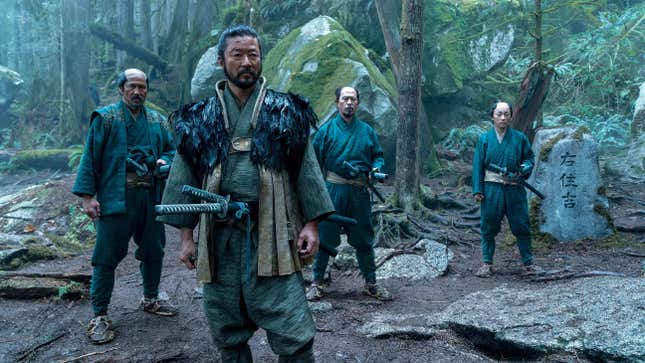
On the flip facet, exhibits have a tendency to learn extra from weekly drops. Proper now, two of the most important exhibits on are Shōgun and X-Men ‘97. Each of them are equally nice in their very own proper, however they’re being talked about a lot as a result of they’re weekly. Every episode lets their respective communities develop and dialogue to foster as individuals publish theories and memes to have amusing or just cope with what simply occurred. It’s the successfully the TV circle of life—studios put out a present, which will get viewers consideration, who then come to adore it and deal with the factor like an occasion.
TV is in a bizarre spot proper now as firms are starting to recollect what the medium is for and the best way to thrive in it. Advertisements are getting inserted into exhibits once more (albeit awkwardly), and exhibits are getting retooled into truly being exhibits as a substitute of sliced up film. Even Netflix, king of the binge mannequin, goes weekly for one thing like Scrumptious in Dungeon. BenDavid Grabinski, who co-created Netflix’s Scott Pilgrim Takes Off, even went as far as to name placing a present out “the dumbest shit ever. There’s actually no upside.”
It’s understood TV has been broken for a number of years in a wide range of methods. A part of the trail to fixing that ought to be going again to our weekly roots: Fallout feels prefer it was made as a weekly present to start with, and it simply feels incorrect {that a} sequence this robust have already got a sequence of “Season Finale, Defined” posts only a few days after popping out.
Need extra io9 information? Take a look at when to anticipate the most recent Marvel, Star Wars, and Star Trek releases, what’s subsequent for the DC Universe on film and TV, and all the pieces it’s good to learn about the way forward for Doctor Who.
Trending Merchandise